
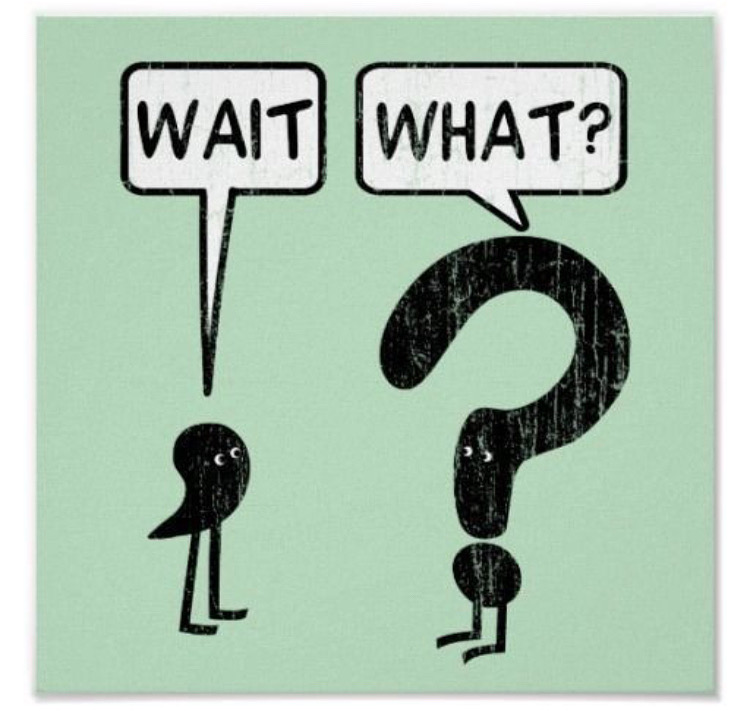
Don’t Shoot Your Sentences in the Foot
by Rachel Santino
Out on the open range, a cowboy doesn’t ride out without the right gear—and neither should a Western writer. Sure, you’ve got your story, your grit, and maybe a strong cup of coffee, but without punctuation, your words will buck and bolt like an unbroken mustang. Punctuation is your saddle and bridle—it keeps your sentences steady, your meaning clear, and your readers from getting thrown in the dust. Without it, even the best tale’ll lose its trail.
The Comma – The Trail Stop
A comma tells your reader to ease up on the reins—not stop, just slow the horse. It’s a signal to pause, catch a breath, and get ready for whatever’s coming around the bend. Items in a series are also separated by commas.
Example: The sheriff, calm as ever, didn’t even flinch.
Forget the comma and you’ve got one long, breathless ride that loses the reader by the next cactus.
Example:The outlaw grabbed his hat, his gun, and his dignity.
Without commas, it lookslike he grabbed a mess.
The Period – Full Stop, Partner
This one ends the sentence, plain and simple. No fuss, no frills—just like a cowboy’s goodbye.
Example:He tipped his hat. Then he rode away.
Short. Direct. Like a showdown at high noon.
The Semicolon – When Two Ideas Ride Together
Better used in nonfiction. Not quite a period, not just a comma. The semicolon links two related sentences like saddlebags on the same horse.
Example:The sheriff was tired; he’d been chasing bandits since dawn.
It’s classy. It’s confident. Use it when two sentences ride side-by-side.
Note: It’s better to avoid semicolons in fiction. Use a period instead.
The Colon – Open the Corral Gate
In nonfiction, a colon sets the stage for what comes next. Whether you’re introducing a list, offering a definition, or delivering a punchy point, the colon opens the gate and lets the next idea ride through with purpose.
Example: There are three things every successful Western writer needs: a clear voice, a firm grasp of storytelling, and punctuation that rides steady.
Note: It’s better to avoid colons in fiction. Use an em dash instead.
Hyphens and Dashes – Not the Same Horse
Hyphens are for hitching words together.
Example: She was a quick-draw artist and a well-known sharpshooter.
En dashes are approximately the length of the letter N. Use these to mark ranges for the meaning “to.”
Example: 1877 – 1887
Em dashes are approximately the length of the letter M. They are great for interruptions, emphasis, or surprise.
Example: He had one rule—no varmints in the saloon.
Parentheses – Whispered Side Notes
Parentheses are like the grizzled prospector in the corner of the saloon, adding his two cents without interrupting the story.
Example: She aimed (not that she needed to) and hit the bottle clean off the fence.
Just don’t overuse them—they’ll start sounding like gossip around the campfire.
Note: It’s better to avoid parentheses in fiction. Use commas instead.
Quotation Marks – Talk of the Town
Use quotes to rope in speech or borrowed words.
Example: “You best be careful where you ride,” the old rancher warned. “That trail don’t take kindly to strangers.”
Quotes show who’s speaking—without them, you’re just hollering into the canyon.
Example: Everyone in town called her a “greenhorn,” but she could outshoot any of ’em by sundown.
When using slang, nicknames, or words you’re lifting directly from someone else’s mouth—or another source—quotation marks show the term isn’t yours. It adds character and keeps your writing honest.
Note: Within dialogue, use single quotes.
Apostrophes – Claim Your Territory
The apostrophe shows possession—or that a word’s been shortened, like a cowboy cutting corners on conversation.
Example: That’s Jed’s horse. (Belongs to Jed.)
Example: Did you see ’em? (’em = them)
Just don’t mix up its (possessive) and it’s (it is). That mistake’ll get you kicked outta camp.
Note: All apostrophes are curved to the left, never to the right. Commonly found in ’em, ’bout, and ’til. They point the way of the missing letter(s). When using numbers for decades, never use an apostrophe. Those years are always plural and never possessive (1870s, NOT 1870’s).
Spaces – One is Plenty
Back in the typewriter days, double-spacing between sentences was a necessity. Nowadays, it’s about as useful as a screen door on a chuckwagon. One space after punctuation is enough—don’t go doubling up like it’s 1985.
Before You Ride Off – Mind Your Marks or Risk a Misfire
In the West—or on the page—it’s all about precision. Use your punctuation right, and your story hits true every time.
Ariticle written by Rachel for the Will Rogers Medallion Award website’s Tips and Tidbits for Writers column.

 Blog
Blog 
Great Blog by Rachel. Thanks Anne for all your hard work in putting this together. Deborah
LikeLike
thank you so much for clearly stating that decades are Plural, not Possessive (I capitalized intentionally). I have fought that battle more times than I care to remember.
LikeLike