

By Cynthia Leal Massey
A WWW member posted a question on our listserv concerning her novel about an organization purchasing thousands of acres to create a wildlife preserve and a group of ranchers opposed to this activity. Although it was fictionalized, she feared someone from the actual organization might not like that it was cast in an unfavorable light, and she could be facing a lawsuit.
She contacted a couple of literary lawyers’ groups and was told that having her novel vetted for libel would cost from $1,500 to $6,000. Seriously?
How many writers fear being sued? I think it’s universal for most authors, and certainly for publishers. The reason? We expose things that sometimes make people uncomfortable, and honestly, that’s our job.
That is why there is a disclaimer on the copyright page of novels: “This is a work of fiction. The names, characters, places, and incidents are either the product of the author’s imagination or are used fictitiously, and any resemblance to actual persons, living or dead, business establishments, events, or locales is entirely coincidental.”
In our conference panel session, “How True Stories Inspire Fiction—What to Leave In and What to Leave out, and Why,” I will provide my layperson’s view on how I deal with writer’s trepidation based on years of experience as both a writer and editor.
My response to our WWW colleague’s inquiry (and I am not a lawyer, although I have had many dealings with lawyers as both an editor and an elected official) was:
“A judge once said, ‘You can sue a ham sandwich.’ If writers worried too much about libeling people, we’d never publish anything. Most fiction is based on real situations and real people. You can also look on the bright side. If someone does sue you (which is as unlikely as being struck by lightning), you will have a lot of free publicity, and your novel may become a bestseller. As for a lawyer’s review, it will cost a small fortune, and you will not have a definitive answer at the end. For every lawyer who tells you to revise things, there will be others who say it’s fine as is. In the end, you will have to use your own best judgment.”
As I recall, this WWW author decided to change the setting to another state for peace of mind.
It’s easier to write about people who are deceased. Traditional rights to privacy and defamation expire upon a person’s death, according to the principal of common law in the United States. Nevertheless, it is common to have trepidation when your fictionalized account of a real person includes sensational and/or sordid details.
All the characters upon whom my novel, Well of Deception, are based are long deceased; nevertheless, I felt that trepidation. The novel, a 2026 Spur Award finalist, is inspired by the true story of a turkey breeder shot and killed while feeding her White Holland turkeys on a farm in south central Texas in 1958.
I first learned the story when I walked into a bar in my hometown and was shown an old rifle hanging on the wall that was involved in the 1950’s murder, along with a yellowed newspaper article.
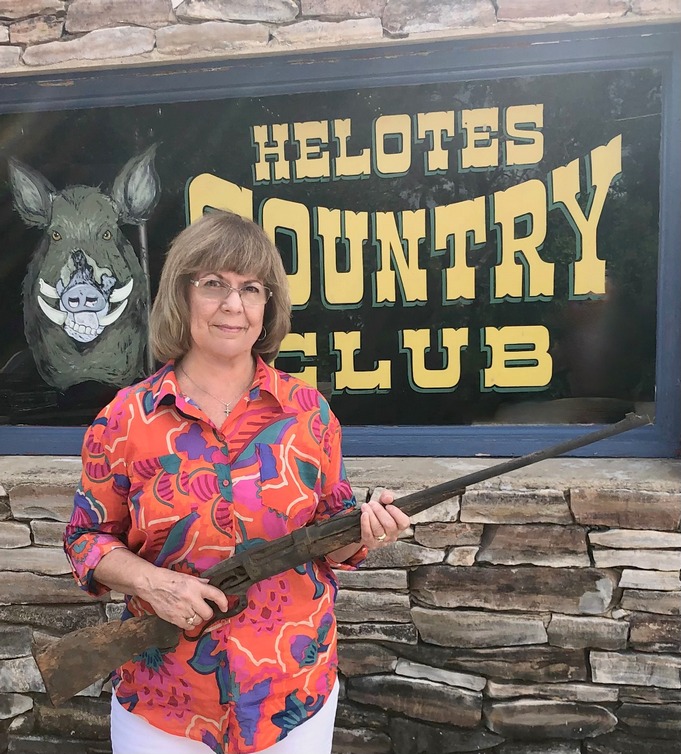
What I learned about the killer’s and victim’s families was the stuff of fiction. Oral history that was conjecture and sensational. Myriad newspaper articles that were more factual but not definitive. Initially, I was going to write a nonfiction book but ultimately felt that approach would not do the story justice. I turned to fiction, which can answer the unanswerable.
The plot involved the hunt for the killer based on the actual search from 1958 to 1961. Because the surnames of the killer and victim are still well-known where I live, I changed the names of all the characters I created, as well the setting, which became a fictionalized town and county in Texas.
I didn’t do this for fear of being sued, more out of consideration for their privacy. Nevertheless, in my neck of the woods, there are still people who remember the killing, a sensational story that resulted in the biggest manhunt in the county’s history, but which never answered the big question: “Why did he kill her?” I put on my fictional hat and answered that question.
Since the novel’s release last fall, the question I get most when I am at a book event is: “What part of the story really happened?” I reply, “Pretty much all of it… except for….”
How True Stories Inspire Fiction:
What to Leave In and What to Leave Out…and Why
Natalie Bright, Cynthia Massey, Irene Sandell, Manuela Schneider
9:15 AM – 10:15 AM Saturday Oct 17
2026 Annual Women Writing the West Conference registration portal

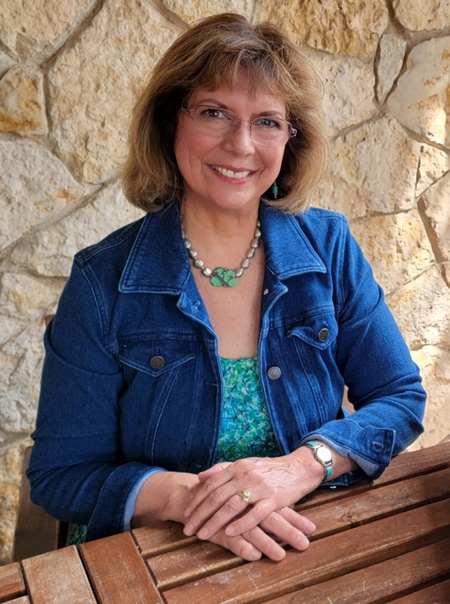
…combines her background in journalism and love of history to write award-winning historical fiction and nonfiction. A former corporate editor, college instructor, and magazine editor, she has published hundreds of magazine and newspaper articles and is the author of ten books. A full-time writer, she is a past president of Women Writing the West.
Thanks for reading! Scroll down to join the discussion.

