
By Eilene Lyon
Back when I created my first blog on January 1, 2018, I’d heard that blogs were “on the way out.” (Haven’t we heard that about books—like, forever?) I’m happy to report that my posts are getting read as much as ever.
If you have a website, you can likely include a blog component at no extra charge. There are free sites you can use, but I recommend paying for at least a basic subscription to avoid unsightly ads.
Blogging Platforms:
For analyzing options:
bloggingwizard.com/blogging-platforms/
wpbeginner.com/beginners-guide/how-to-choose-the-best-blogging-platform/
Direct access (not comprehensive):

Why should you consider a blog? It’s great practice for concise writing. You can build a supportive community of readers. Remember, every blogger is a writer, too. They get it. Blogs also connect you to your book/article fans and make you more “real” to them. Some writers have even gotten book deals based on their blog content.
Before starting a blog, consider how much time you have to invest in the platform and schedule regular posts accordingly. Don’t just post once or twice and fade away. My family history blog posts can take considerable time to produce, but a travel blog, personal essay, or pictorial post comes together quicker. I strive for four new posts each month.
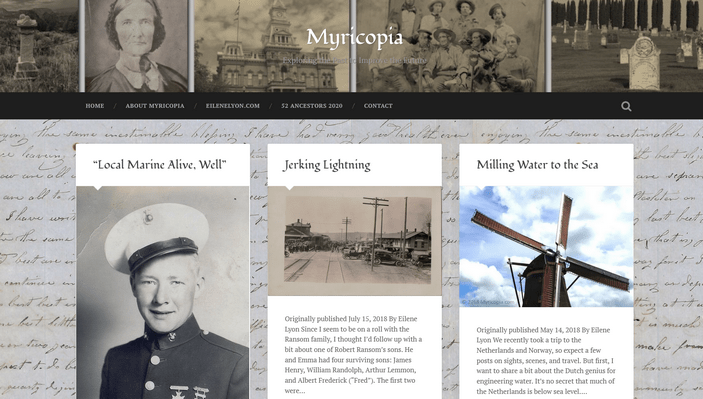
Blogs need titles, and you should consider something that reflects the general content. If it’s clever or incorporates a pun, even better. Don’t just use your name and occupation. The same goes for the title of each post you create. I admit that my blog title, Myricopia, was not the best choice. But it’s been around more than eight years, so I’m not inclined to change it.
Posts should be short, under 500 words is best, and not over 1,000 in most cases. They should tell a story or teach a lesson. Don’t just recite facts; make the prose compelling. Stick to the subject, don’t meander. Many bloggers write poetry. I’ve started a series of haiku on my author blog. They’re usually about nature and are a fun creative exercise.
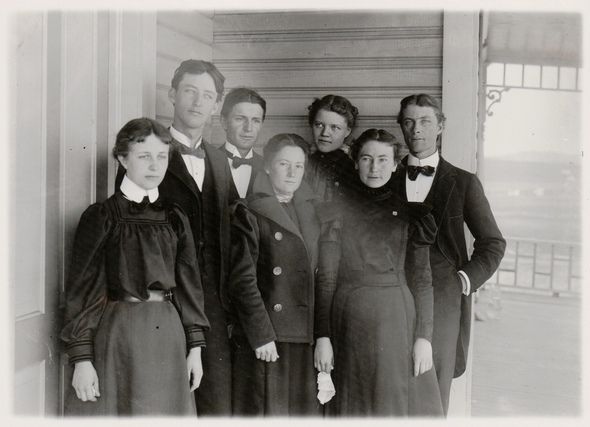
DO include photographs or other images; unlike print media, you can include as many as you want for visual interest or illustration. Use your own, but watermark them. There are also many sites for royalty-free images, such as Wikimedia Commons, Pexels, Unsplash, Library of Congress, and others. You still need to cite the source in the caption. I usually include a link to the online source, which has the Creative Commons license information.
Speaking of links:
- Be sure they are set to open in a new tab or window (so readers aren’t leaving your site).
- Include links to source material as well as adding citations.
- If you refer to one of your previous posts, highlight the relevant phrase and add a link.
Adding links, especially to your previous work, helps build search engine optimization (SEO). I strive to link to three previous posts in each new one. Many of my blog posts regularly appear in the top ten in Google search results. Do not create links that say “Click here” or “Here.” They should highlight a webpage title or other descriptive phrase related to the link, usually within the sentence.
Another way to build your SEO is with tags. Do not stint on tags! Put in as many as you can think of. What should you tag?
- Your name and the name of your blog
- Subject/title of the post
- Theme words/concepts
- Every proper noun (names, places, businesses, etc.)
Finally, something that many bloggers forget when they start out: Blogging is about creating community. If you want people to read you, then reciprocate! And don’t just read and click “Like.” Leave a comment! Start a dialogue. And be sure to respond to people who visit and comment on your posts. When I take an occasional break, I miss the interaction with my readers.
There are blogs covering just about every topic under the sun. What interests you? Someone is writing about it. Yes, following, reading, and commenting takes time. If people are investing their time in reading what you’ve written, it pays to return the favor. I’ve been a little surprised at how even my family history posts draw in readers (including distantly related cousins). Bloggers have a well-developed curiosity.
Are you curious enough to start a blog? Leave me a comment below and let’s discuss it!
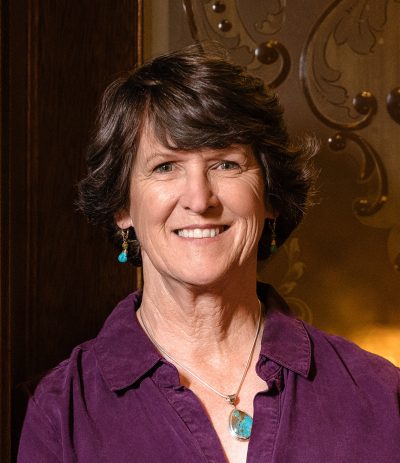
…is the author of Fortune’s Frenzy: A California Gold Rush Odyssey, winner of the Will Rogers Bronze Medallion, and What Lies Beneath Colorado: Pioneer Cemeteries and Graveyards. She skis, hikes, and writes in Durango, Colorado. You can find more of her history writing (among other topics) on her Myricopia blog.
Feature image: Home page for my blog, Myricopia, on WordPress.

