

By Suzanne Stauffer
Whether you are writing historical fiction, thinking about writing historical fiction, or reading historical fiction, perhaps you have asked yourself about the process of turning historical fact into historical fiction.
Definitions
Historical fiction is defined as fiction set at least 50 years earlier than the time when it is written. It includes realistic fictional characters and realistic fictional events, set in a real past.
Fictionalized history features real historical characters as the main characters, but then creates imagined thoughts, dialogue, and even events which do not contradict the known history.
Alternate history is not historical fiction. It is a form of speculative fiction that asks “what if?” some specific historical event had turned out differently.
Readers of historical fiction expect as much historical accuracy as possible, and that means that writers follow a similar process (up to a point) as writers of history.
Step 1 : Gather Your Historical Data
Beg, borrow, or buy reliable popular historical works on the period. You don’t need heavy academic tomes, unless you want them. Good popular histories may be more useful, as they often reflect the popular culture better. Decide how deeply you want to dive and what tangents you want to follow.
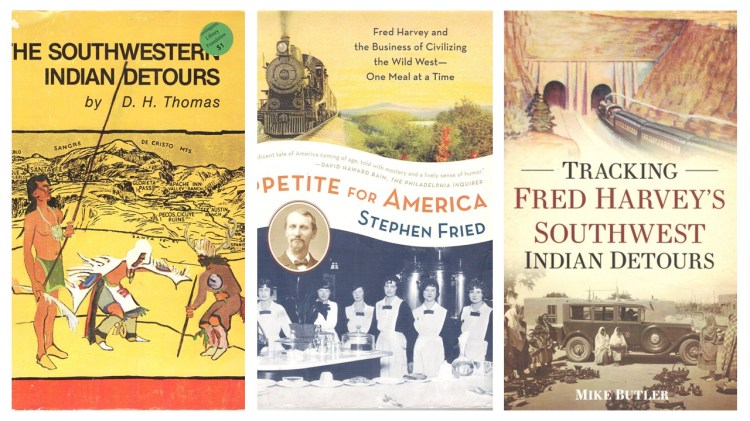
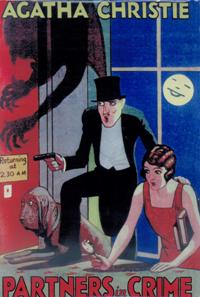
Read popular contemporary fiction (i.e. works set in the same time period as when they were created, not historical fiction). Watch popular contemporary movies and TV shows created in the time period and place you’re writing about (if they exist). This gives you the most authentic picture of the period, written by someone who was living then. You’ll get slang and idioms, details about daily life and habits, clothing, hair styles, jewelry, etc.
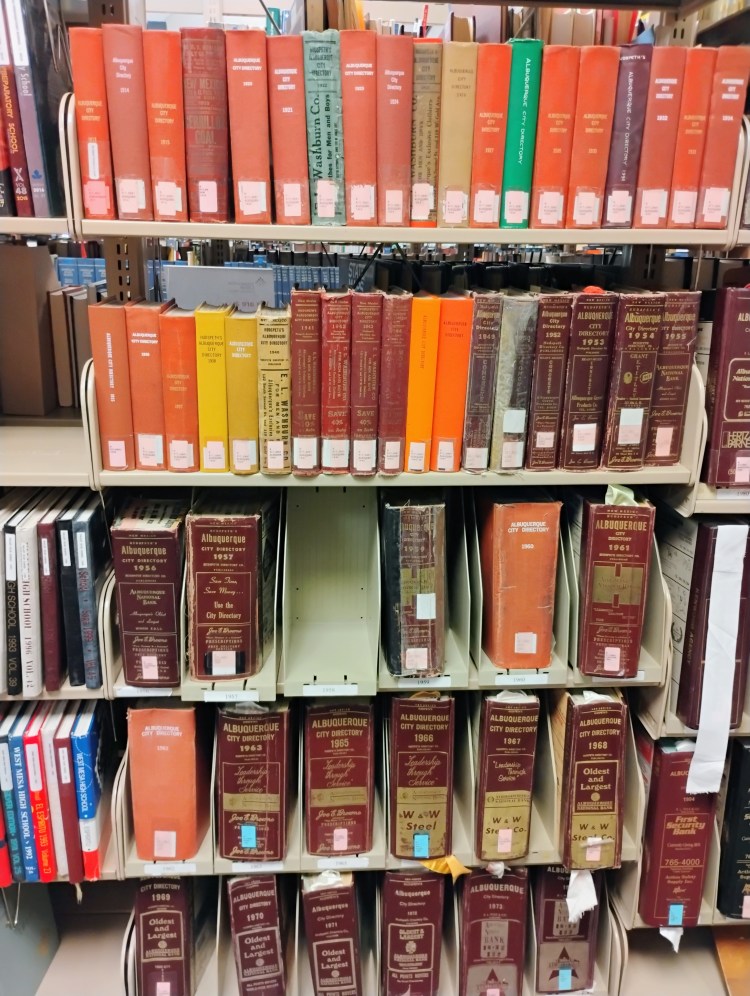
Use the resources available through your public library. I’ll be posting in more detail about these next month, but for now, two of my favorites for 20th-century historical fiction are the city business directories, and city newspapers. The city business directories include government information, a directory of all residents and businesses, a classified business directory, and a street directory that goes by address.
You can not only find a lawyer’s office, you can find out what was on either side of it and across the street. Newspapers are valuable for the articles and feature stories, but don’t overlook the personals, the want ads, and the advertisements. Who was selling what and for what price? What movies were being shown?
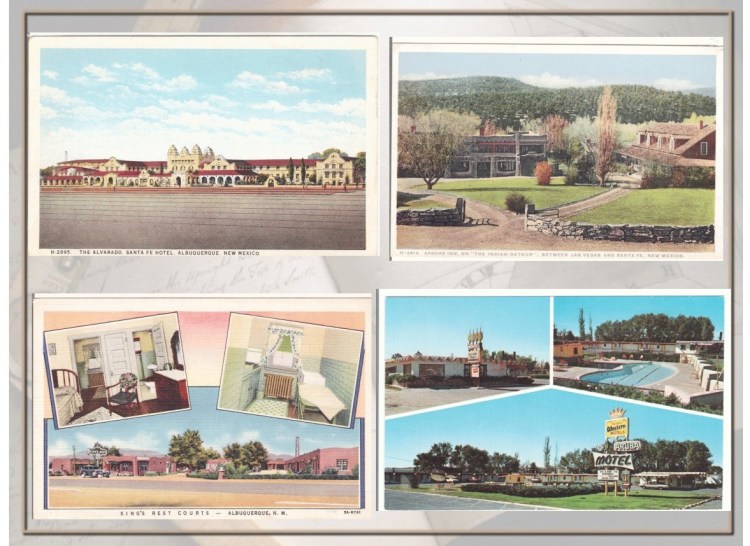
Don’t forget archives and libraries in museums and in special collections at local colleges and universities. They often have ephemera (advertising brochures and flyers, programs of events, postcards, etc.), annual reports of local businesses, records of local service organizations, high school yearbooks, etc.
Postcards from the time include street scenes, exteriors of buildings, hotel lobbies and rooms, landscapes, etc.
I’m sure that you’re all already searching the internet (“Googling”), so I won’t go into that.
Step 2 : Turning Fact into Fiction: Authenticity and Accuracy
Historical fiction is expected to be as authentic and accurate as possible, while not entirely factual. We utilize poetic license to create fictional characters, settings, and events. They are not factual, but they are historically authentic. If we do introduce factual errors necessary to the plot or make assumptions based on lack of information, we acknowledge them in an author’s note at the end and we justify them.
In all cases, they are authentic. For example, I decided to put the local speakeasy in a back room of a hotel in 1929. The hotel exists. The back room exists. It has a door to the alley. Was it a speakeasy? Certainly there were speakeasies in 1929 and they were often located in hotels and were often entered from an alley.

We do our best to avoid historical fallacies, which are not the same as factual errors. The two that seem to afflict historical fiction the most are:
- Historian’s fallacy, also known as hindsight bias. This means assuming that decision makers of the past had the same perspective and same information as we do today. For example, looking back, we may feel that the attack on Pearl Harbor was predictable. However, at the time, there were multiple conflicting signs which suggested attacks on other locations.
- Anachronisms are probably the most common fallacy. They are anything that is out of place in time. They may be factual or interpretive (also known as presentism). One that I find particularly common is young people going on “dates” in the 19th century. Eilene provided an example of miners in the California gold rush living in cardboard shacks in an Isabel Allende novel, decades before corrugated fiberboard boxes had been invented.
- Parachronism refers to including anything that is already obsolete, without providing justification. For instance, the Amish still use horses and buggies. Or maybe the character is an eccentric. People living in poverty might still be washing clothes using a washboard or maybe the characters are part of a “back to the land” movement.
- Prochronism refers to including anything from the future, which may be our present and so we take it for granted. Or it may be our past, just not the past we are writing about. For example, a character in 1929 wearing cat-eye glasses.
- Presentism, a specific form of prochronism, means projecting present attitudes onto the past. It’s a particular temptation because we want our heroes to be sympathetic and relatable and our villains to be the opposite. This doesn’t mean that characters can’t have more progressive attitudes, but they must be authentic to the time period.
.jpg)
In addition, there is Chronological snobbery, which is assuming that the present is in all ways superior to the past, and its obverse, Romanticizing the past. I suspect that the latter is more of a temptation than the former, otherwise, why are we writing about it?
We strive for both authenticity (being true to the sense of the times), and accuracy (being factually correct). We may utilize poetic license in order to create a more authentic character, setting, or event, but we are careful not to commit any historical fallacies in doing so.
Next time, I’ll delve more deeply into those library resources that are particularly useful in writing both history and historical fiction.
After 20 years as a librarian and 20 as a professor of library science and library historian, Suzanne Stauffer has moved on to a third career as a mystery novelist. She currently lives in Albuquerque with her Australian husband and brown and white spotted rat terrier dogter, Treme. Her debut novel, Fried Chicken Castañeda (Artemesia Publishing, May 2025), won the CIPA EVVY Bronze Medal in Mystery/Crime/Detection and the New Mexico Book Award for Cozy Mystery. Her second novel, French Toast à la Santa Fe, will be released on October 13, 2026. She also writes a monthly newsletter, Amuse-Bouche.


Thanks for explaining some new terms to me. I found this very informative!
LikeLike
This WWW blog offers a thoughtful and practical look at what makes historical fiction work: respect for historical fact, careful research, and the wise use of imagination. I especially liked the distinction between factual accuracy and historical authenticity, because that is where the writer’s craft truly begins.
The reminders about anachronism, hindsight bias, and presentism are valuable for anyone writing about the past. They challenge us not to dress modern ideas in old costumes, but to understand people within the world they actually lived in.
LikeLiked by 1 person