An interview on writing, self-publishing, audience growth, and the long life of a book
By Elizabeth Simmons
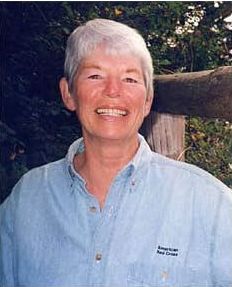
Mary E. Trimble is an award-winning author whose work spans novels, memoir, travel, and personal experience. Her writing draws from a life of adventure, including Peace Corps service in West Africa, sailing in the South Pacific, RV travel, and life in the American West. In this interview, Mary discusses her writing journey, why self-publishing became part of her path, and how it worked for her creatively and economically.
Elizabeth Simmons: You’ve written novels, memoirs, and many articles. At what point did self-publishing become a serious option for you?
Mary Trimble: My first two novels were published by a small e-publishing company. They were first published in e-format only, then print. When that company went out of business, I re-published them through Amazon, again both in paper and e-format.
My third novel was first published by Treble Hearts, a result of a meeting I had with the publisher at a WWW conference. That experience was fine until they, too, went out of business, and I again republished through Amazon, both in print and e-format. My experience with Amazon had been very successful so I self-published the next four books (two memoirs and two novels) with Amazon KDP.
ES: Was self-publishing a route you actively chose, or did circumstances lead you there?
MT: Most writers who submit a manuscript to traditional publishers will wait months for an eventual “No.” I went through that once and didn’t want to go through it again.
ES: What did self-publishing give you that traditional publishing could not?
MT: I like having complete control over my work. Since the publishers I had before were quite small, most of the book promotion was of my doing anyway. Also, my books will never go out of print. I can actively market them, or not, my choice. Any pressure is of my own doing.
ES: Many writers say self-publishing can be expensive, confusing, and harder than expected. Did you find that to be true?
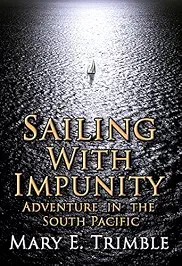
MT: I have never found it expensive when looking at the long-term life of a published book. On the other hand, virtually all my marketing is local, so I really don’t have what might be considered a universal market. However, my book on our sailing adventure (Sailing with Impunity) has had sales world-wide.
ES: How did you decide which self-publishing costs were worth paying for?
MT: Through Amazon KDP, the only costs were for barcode, editing, and of course printing.
ES: Was there ever a moment when you thought, “This is harder than I expected”?
MT: No, My husband is quite technical, so he actually did the manuscript uploading. The drafts that came back (all on computer) needed some adjustments. For instance, page numbering can be a little tricky since you don’t start showing page numbers until the story actually begins. The page headers also have to be worked out: the author’s name on one page, the title of the book on the opposite page, etc. But all in all, it wasn’t a difficult thing to do. Everything is on-line until the product is as you want it.
ES: What would you say to writers who feel self-publishing means paying to do everything yourself?
MT: I would say compare the pennies per copy sold to the author for a traditionally published book with the dollars per copy when self-published.
ES: Did self-publishing help you protect the authenticity of your personal stories?
MT: Yes, I didn’t have to defend any of my observations or experiences. I could honestly state exactly how I felt.
ES: What part of the process surprised you most—editing, cover design, formatting, marketing, or distribution?
MT: No real surprises. I paid to have my books edited (by a WWW member). My husband designed my covers (other than the first two).
ES: Is self-publishing different for memoir than it is for fiction?
MT: I found the process similar for all my books.
ES: Did you ever worry about the stigma around self-published books?
MT: I did worry about it a little. Some people are really opposed to self-publishing. But when I looked around, I noticed people who had publishers rarely did any better with their marketing than I did, or had better sales. Of course, I’m not talking about “big names” but rather people more or less in the category I’m in.
ES: Did you run into gatekeeping from libraries, bookstores, or reviewers?
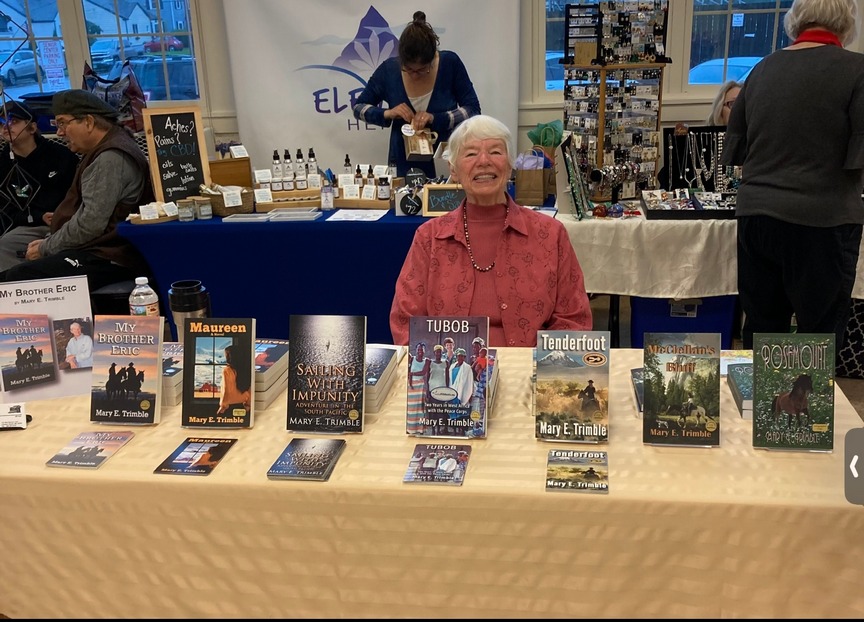
MT: My local library system has all of my books because I furnished them. A few local bookstores carry my books. All of my books have had successful reviews. However, I’m sure that had my books been published by a big publisher, they would have received more attention along all of these lines.
ES: What should writers understand before choosing self-publishing?
MT: It’s all up to you. However much you want to put into it, that’s what you get out of it.
ES: How did your background as a magazine and newspaper writer prepare you for publishing independently?
MT: I think those experiences gave me confidence in my craft and perhaps a larger audience. And, of course, the ease of writing, the ability to express myself.
ES: How important is a writing community when self-publishing?
MT: I am a co-founder of a critique group that was founded in 1993 and is still going strong (although I’m the only original member). Through them I have learned of opportunities to market, etc. I don’t know if my experience with this group would be different if I hadn’t self-published.
Part 2 will be published June 18, 2026
About the Interviewer:
Elizabeth Simmons is a writer and interviewer who writes poetry and short stories for literary magazines.


I enjoyed reading about Mary’s publishing journey. Mine started similarly when my first book was published as an ebook in 2000, and that publisher quickly went out of business. I got my rights back and self-published it, also through Amazon’s self-publishing service. Since then I have primarily been published by regional publishers and have self-published a local history. Either way, the author has to do a lot of her own promotion, although I must say, my most recent publisher has a great marketing team that has done an extraordinary job getting me reviews and podcast spots that I could not have done on my own. Mary’s books are top-notch and her memoirs are fascinating. I highly recommend them.
LikeLiked by 2 people
Thank you, Mary and Elizabeth, and good wishes to you both!
LikeLiked by 2 people
Thanks so much Ç.M. I really appreciate your support:)
LikeLike
Cheers Ç.M. Mayo
LikeLike