
An interview on writing, self-publishing, audience growth, and the long life of a book
By Elizabeth Simmons
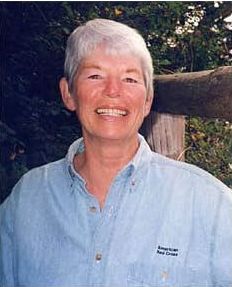
Mary E. Trimble is an award-winning author whose work spans novels, memoir, travel, and personal experience. Her writing draws from a life of adventure, including Peace Corps service in West Africa, sailing in the South Pacific, RV travel, and life in the American West. In this interview, Mary discusses her writing journey, why self-publishing became part of her path, and how it worked for her creatively and economically.
Elizabeth Simmons: What did you handle yourself, and what did you hire help for?
Mary Trimble: The only hired help was to pay for someone to go through the book for professional editing. In all cases, the edits were minor–no huge changes in content.
ES: How did you market your books without a large publisher behind you?
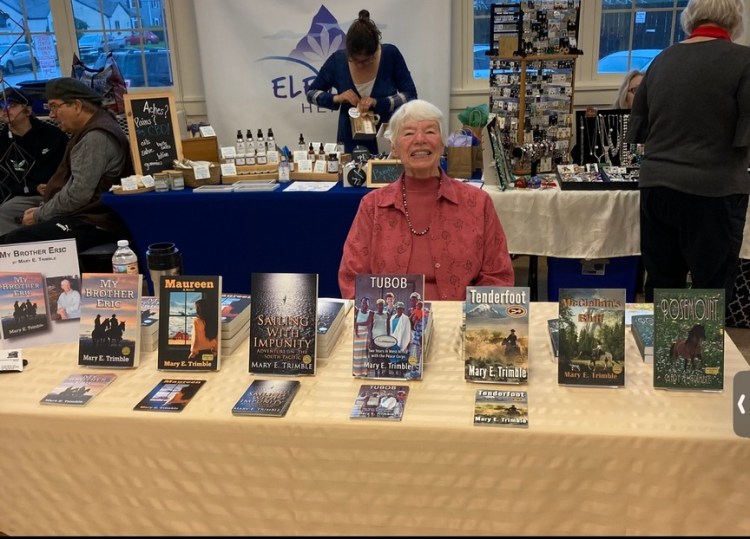
MT: My marketing has consisted of participating in local events, such as bazaars or farmers markets. I do about fifteen of these a year, sometimes more. The word gets out. Many readers have come back to my “booth” for other books, or have told me their neighbor told them about my books. My first book was published in 2000 and I’m still selling it.
ES: Did self-publishing bring you closer to your readers?
MT: I don’t think so. I don’t think people think about it one way or the other. That said, my direct to customer selling certainly does put me face to face with readers.
ES: I remember you once told me that once you started self-publishing, it became the right path for you, and you never looked back or wanted to traditionally publish again. Can you talk about why self-publishing worked for you economically, and how you grew your audience over time?
MT: I still feel that way. I pay about $5.00 to have a book printed and shipped through Amazon KDP and sell them for $15.00, and I do quite well at my events. Many people stop by my booth and ask me questions about self-publishing (once they learn I am self-published). I think my audience has grown because so many see me at events. For me, one book sale leads to another. Many people come up to me at events and say they’ve read all my books, and when am I going to have another!
ES: Looking back, would you make the same publishing choices again?
MT: I would absolutely make the same publishing choices again.
ES: What advice would you give to writers with a powerful story but fear of the publishing process?
MT: Just dive in. If a person isn’t technically oriented, find someone who is for the down-loading process. Hire a good artist for the cover–that’s really important. Many people compliment me on my book covers, and I am proud of all of them. I’m lucky that my husband is gifted in that regard. An amateur cover is a dead give-away to an amateur production. I would definitely go the print-on-demand route, rather than pay a printer several hundred dollars. I can order a reasonable supply as often as I want, and keep a reasonable inventory.
ES: What is one myth about self-publishing you would like to retire?
MT: I’m not sure what a self-publishing myth is, but I know how important it is to have a professional looking product. I’ve received many compliments on my books, so have confidence in them.
ES: Has self-publishing felt more like freedom, hard work, or both?
MT: I think both, but once the book is published, no harder work than with a publisher. I don’t think publishers do that much any more, unless you’re a big name like Catherine Ryan Hyde or Stephen King.
ES: Many writers in their 40s, 50s, 60s, 70s, and 80s feel their best creative years are not behind them, but happening now. Has that been true for you, and how has age shaped your voice as a writer?
MT: I’ll turn 91 next August and I’m not interested in writing another book. I’m content now to market the seven books I have, and to read and review other writers’ books.
ES: When the book reaches readers, does the publishing path matter less than people think?
MT: I don’t think the average reader gives it much thought. The trick is getting a polished, attractive product into their hands.
ES: What would you tell a writer deciding between waiting for permission and publishing independently?
MT: Publish independently. You could waste your life away waiting for a big publisher to notice your work.
ES: Lastly, what is your latest book about, and what inspired you to write it?
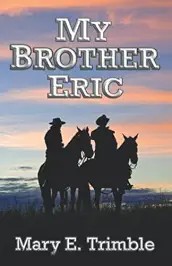
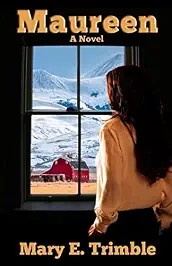
MT: My Brother Eric is a sequel to Maureen. It’s about a really decent 16-year old boy who is suddenly homeless. He finds a home on the Cahill ranch, the same ranch that is featured in Maureen. After I finished Maureen, I couldn’t stop thinking about that family and had to do more to tell their story.
Closing Note
Mary Trimble’s publishing path is a reminder that independent publishing is not a shortcut around professionalism. It is a choice to take ownership of the work, invest in a polished product, and build relationships with readers one conversation at a time.
Readers are encouraged to look for Mary Trimble’s books, including My Brother Eric, Maureen, and Sailing with Impunity.
About the Interviewer:
Elizabeth Simmons is a writer and interviewer who writes poetry and short stories for literary magazines.
 Blog
Blog 
Cheers and thank you, Mary and Elizabeth.
LikeLiked by 2 people
I’ve enjoyed this two-part interview, Elizabeth! Thanks for the thorough look at how self-publishing has worked for you, Mary. I am so glad you have the resources you need and enjoy (most of) the process. Congratulations on still getting out there and selling your books at 91! You’re an inspiration.
LikeLiked by 2 people
Thank you Susan, so much for reading both parts of the interview and for your thoughtful words. I’m so glad Mary’s story resonated with you, she truly is an inspiration for us all.
LikeLike
Thank you for reading Susan :)
LikeLike